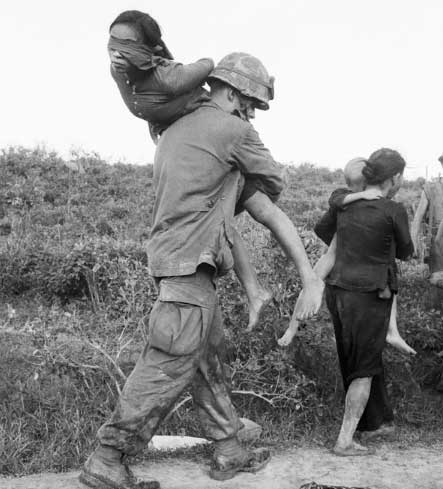
 01/27/23 / Gary Ghirardi / NNOMY -Today, January 27th, 2023, marks the fiftieth year of the signing of the Paris Peace Accords that ostensibly ended the hostilities to end the Vietnam War between the Democratic Republic of Vietnam (North Vietnam), the Republic of Vietnam (South Vietnam); the United States; and the Republic of South Vietnam (PRG), which represented South Vietnamese communists. The accords would have established a clear separation of a non-communist south and a communist north but the “peace treaty” did not hold with neither side recognizing the legitimacy of the other. The war culminated with a disillusioned American public pressuring the U.S. Government for a withdrawal of U.S.Troops. The South Vietnamese Government fell under North Vietnamese opposition in 1975.
Fifty years later the U.S. finds itself in a protracted proxy war supporting Ukraine seeking separation and autonomy from Russia with no end in sight and likely in a similar stalemate like the Vietnam War.
What has changed for the U.S. military is it draws its troops from a diminishing pool of qualified applicants as a “volunteer” military and must struggle to fill the ranks of its armies or must seek out private paramilitary fighting forces without a draft to conjure its soldiers. This “New Vietnam War” for the U.S. relies on the coalition of surrounding NATO countries to pressure an ongoing proxy war that in recent weeks looks much more like a direct confrontation with Russia as it trains Ukrainian forces on U.S. bases and increasingly ups the ante by supplying more advanced weapons through U.S. arms manufacturers and coalition partners to Ukraine.
Like the reality of who served during the Vietnam war, many of the soldiers in combat come from our most marginalized communities economically and now with recruitment quotas falling below targeted levels the military recruiters are having to implement popular cultural tactics to sell the idea of military service rather than depend on the forced conscription of a draft. What is largely missing in all their appeals to now Alpha Generation youth at recruitment age in American high schools is the true picture of what war on the ground is, in all its violent contradictions, that have little resemblance to the recruitment propaganda that they are subject to by military recruiters in their schools.
For this fiftieth anniversary of the Paris Peace accords, NNOMY shares the video and the review by Bill Nichols of the documentary of New York film filmmaker Jill Godmilow; For High School Students–Notes and Images from the Viet Nam War as a warning to our children, and the rest of us as well, of the brutality of war that we seemed to have either forgotten or normalized in our national memory. Powerful resources that demonstrate the realities of wars are more important than ever to attempt to impact the next generation of youth that are saturated with the virtual violence of first person shooter video games, some organized by the military with private software companies, and a plethora of violent entertainments that both indoctrinate and desensitize them to real war and what it actually looks like outside the virtual world of video game team play.
The Film critic Bill Nichols, in the review presented below, presents an accurate assessment of the import of Jill Godmilow’s documentary. For high school youth witnessing what was the reality of the Vietnam War from the distance of fifty years and depicted as a graphic pictorial “scrap book” of the horror of what war is may seem incongruous. The overall affect is powerfully assembled however with the combining of still photography on the ground with the war for our contemplation contextualized with the authors own poignant narration.
WARNING: This work depicts graphic violence closeup and raw in black and white of the killing of civilians and the destruction of their lives, a war that has faded into a revisionist narrative of U.S. good but failed intentions. Even though this learning resource is intended for high school students, it will encounter great resistance or total opposition to letting the high school audience it was intended for to ever be allowed to view it in their social studies history classroom. If you are a teacher that wishes to present this to your students as part of their study of U.S. history you will find a lesson plan to accompany it linked below the Vimeo video documentary on this page.


 April 22, 2023 / Jeff McDonald / San Diego Union Tribune / Barrio Logan - In the shadow of the San Diego-Coronado Bridge, on the same patch of ground where a community of poor families and immigrants was cleaved by the government in the name of progress, Maria Elena Gomez listened to the music and spoke of the struggle Chicanos have faced for generations.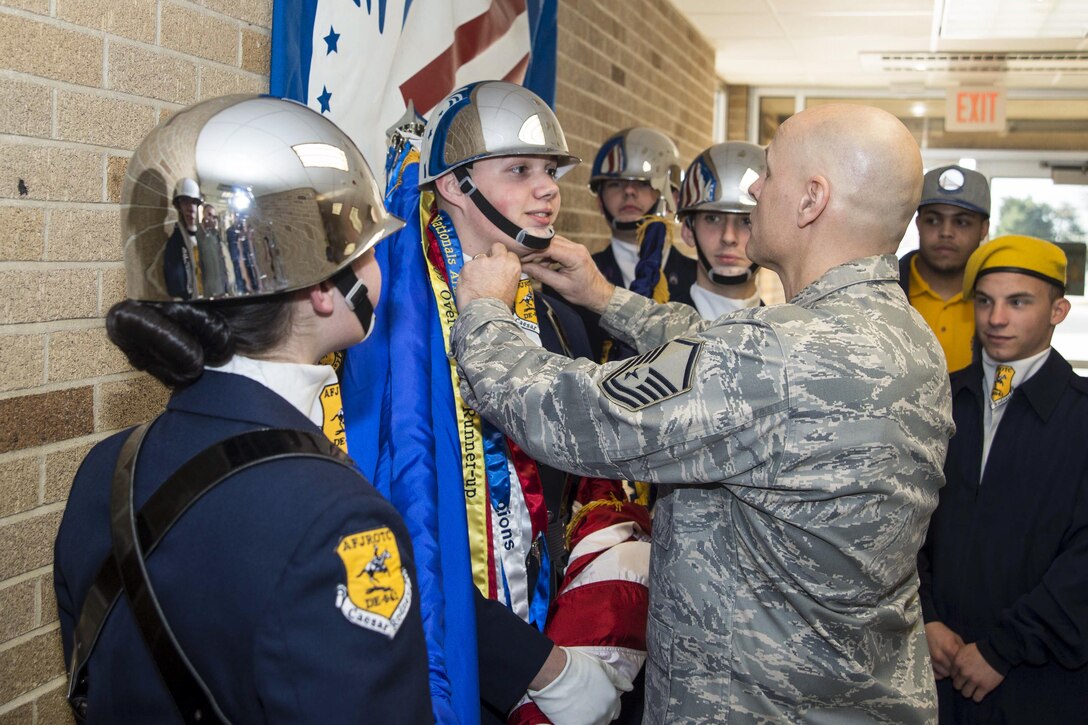
 January 10, 2023 / Günseli Yalcinkaya / Dazed - “I’m not the American dream, I’m more like the American nightmare,” beams the influencer known as Haylujan in a video to her 363k TikTok followers. With full-face E-girl make-up, drawn-on freckles and a rosy nose, the 20-year-old is the face of an unsettling new breed of E-girl garnering millions of views online. She posts thirst traps inside choppers and pouty selfies with assault rifles, with hashtags like #pewpew and #militarycurves. She shares cutesy unboxing compilations and make-up tutorials, Get Ready With Me videos and lip syncs. She jokes about war bunkers and plays with remote control tanks, which she overlays with sparkly filters and heart emojis.
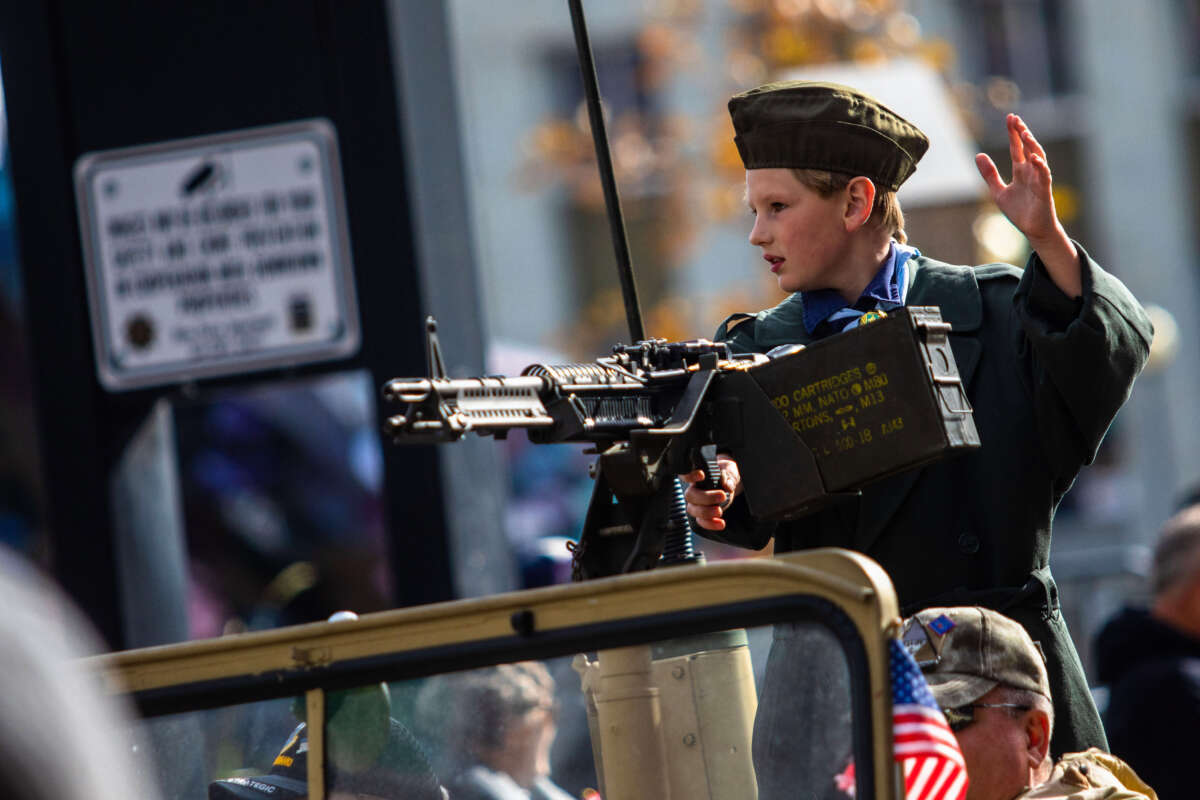 February 23, 2023 / Andrea Mazzarino / Truthout - During a Veterans Day celebration in my small Maryland community, a teacher clicked through a slideshow of smiling men and women in military uniforms. “Girls and boys, can anyone tell me what courage is?” she asked the crowd, mostly children from local elementary schools, including my two young kids.
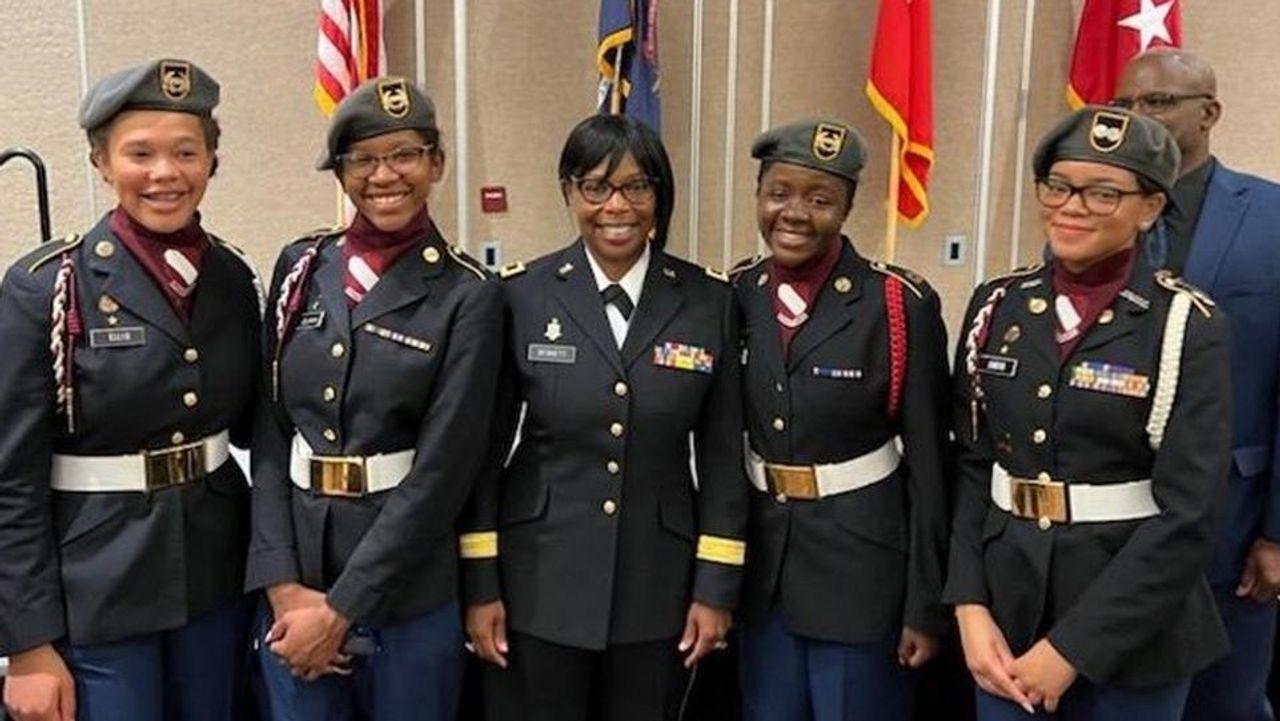 February 05, 2023 / Nancy Hanover, James Vega - As the US expands the US/NATO war against Russia and prepares for war with China, the military faces a growing shortage of new recruits. Large numbers of young people are increasingly wary, if not hostile, to service in the military. In response, school authorities and the armed services are forcing children by the thousands, probably tens of thousands, into the Junior Reserve Officer Training Corps (JROTC) at their high schools.