
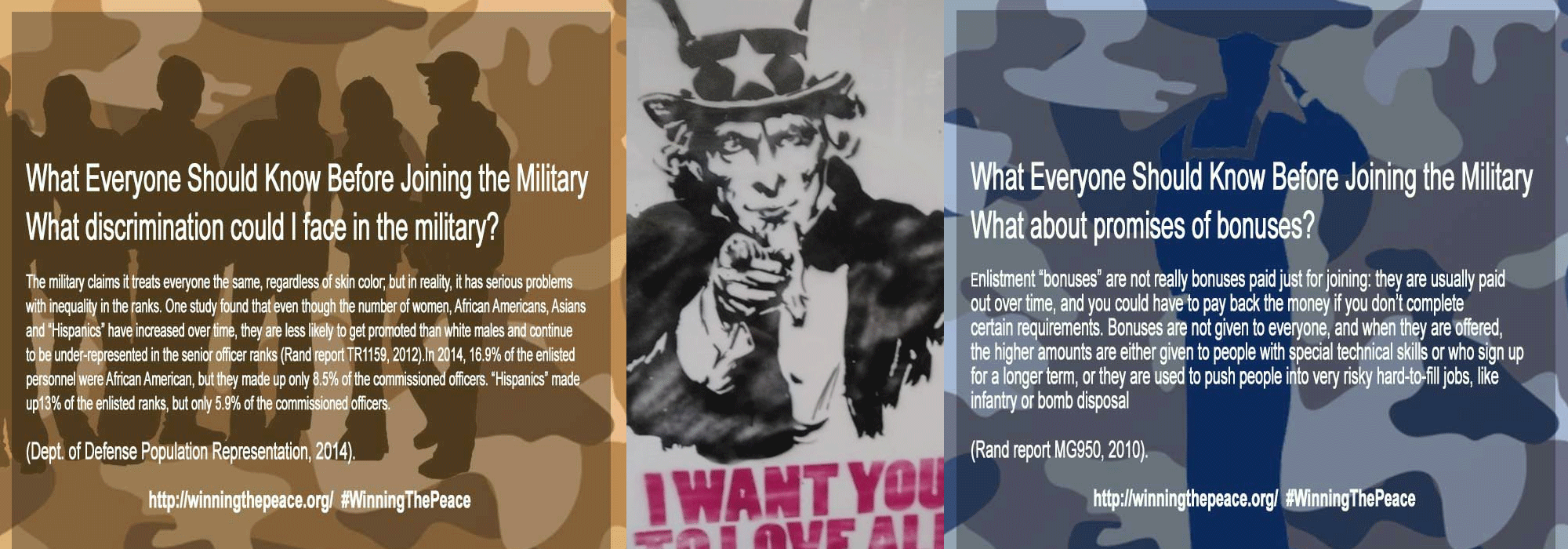
To increase its outreach and expand its impact, the **National Network Opposing the Militarization of Youth (NNOMY)** and similar counter-recruitment coalitions can focus on several strategic areas tailored to modern youth culture, education policies, and digital organizing:
### 1. Modernize Digital and Social Media Engagement
* **Meet Youth Where They Are:** Much of modern military recruitment happens online through esports, gaming platforms (like Twitch and Discord), and social media algorithms. NNOMY can counter this by increasing its presence on short-form video platforms (TikTok, Instagram Reels, YouTube Shorts) to break down the realities of military contracts and highlight civilian alternatives.
* **Interactive Content:** Develop digital toolkits, quizzes, or interactive guides that help students and parents evaluate military recruitment pitches versus civilian career and educational options.
### 2. Expand Coalitions with Allied Movements
* **Intersectionality:** Connect the demilitarization of schools with broader social justice movements—such as climate justice, racial equity, and public education funding advocacy. Highlighting how military spending diverts resources from public schools, social programs, and environmental initiatives can attract new allies.
* **Labor and Teacher Unions:** Strengthen partnerships with teachers, school counselors, and education worker unions to advocate for policies restricting aggressive recruitment tactics and protecting student privacy (such as opt-out forms for the ASVAB test).
### 3. Empower Student-Led Chapters and Peace Clubs
* **Peer-to-Peer Advocacy:** Direct outreach from adults can sometimes feel distant to teenagers. Helping students establish independent "peace clubs" or counter-recruitment groups on high school and college campuses allows young people to advocate for themselves and educate their peers directly.
* **Youth Leadership Grants & Training:** Provide workshops, webinars, and micro-grants to student activists to help them organize forums, film screenings, and alternative career fairs on their campuses.
### 4. Direct Support and Resources for Parents
* **Early Education & Awareness:** Expand outreach upstream to parents of middle schoolers and early high schoolers before recruiters establish contact. Providing clear guides for parents on how to navigate school policies regarding military access (like JROTC enrollment or data sharing) helps families make informed choices early.
* **Multilingual Outreach:** Translate core informational brochures, "Truth in Recruiting" guides, and opt-out forms into multiple languages (such as Spanish) to reach diverse immigrant communities that are often disproportionately targeted by military recruiters.
### 5. Leverage Veterans' Voices
* **Firsthand Testimonies:** Amplify the personal stories of veterans who speak out about the realities of military service, post-service struggles, and moral injury. Collaborating closely with organizations like *Veterans For Peace* adds powerful, credible voices to counter the idealized portrayal of military life often marketed to youth.
###